Welcome to Our Community!
Server Central
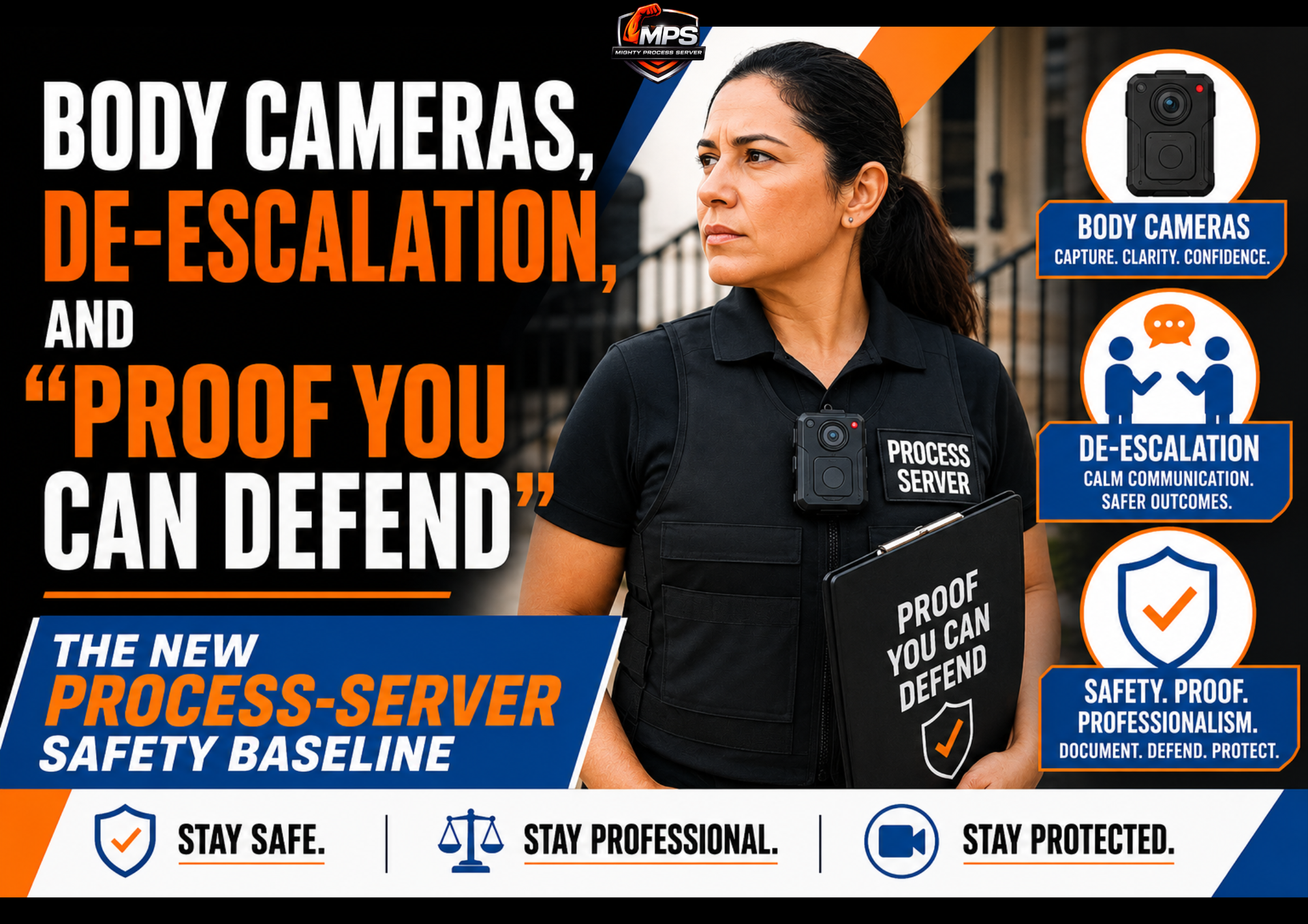
Safety conversations this week kept circling back to a simple reality: process servers are working in unpredictable environments and need a repeatable “serve-smart” system. Industry safety content is increasingly emphasizing body-worn cameras, pre-approach planning, and documentation so you can de-escalate (and defend
AI and workflow automation are accelerating across legal operations; process servers that package data cleanly (proof, photos, notes, timestamps, exports) will integrate best with modern client systems. Your growth lever this week: make your Google Business Profile and directory footprint match your operational profes
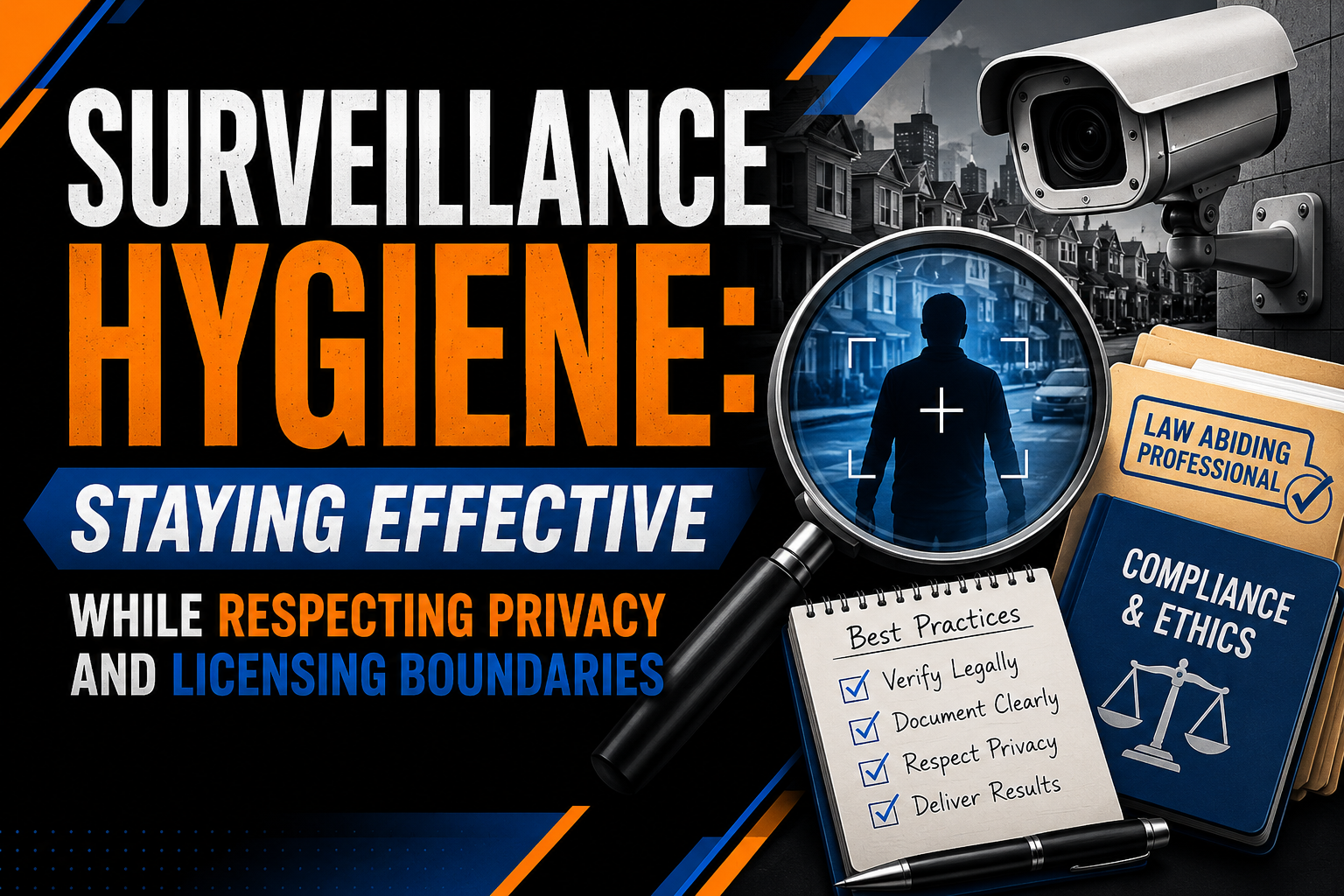
We’re spotlighting “legal, ethical surveillance hygiene”—how to stay effective while respecting privacy, consent, and licensing boundaries. The business opportunity: position your PI practice as the “clean hands” option for law firms and insurers.
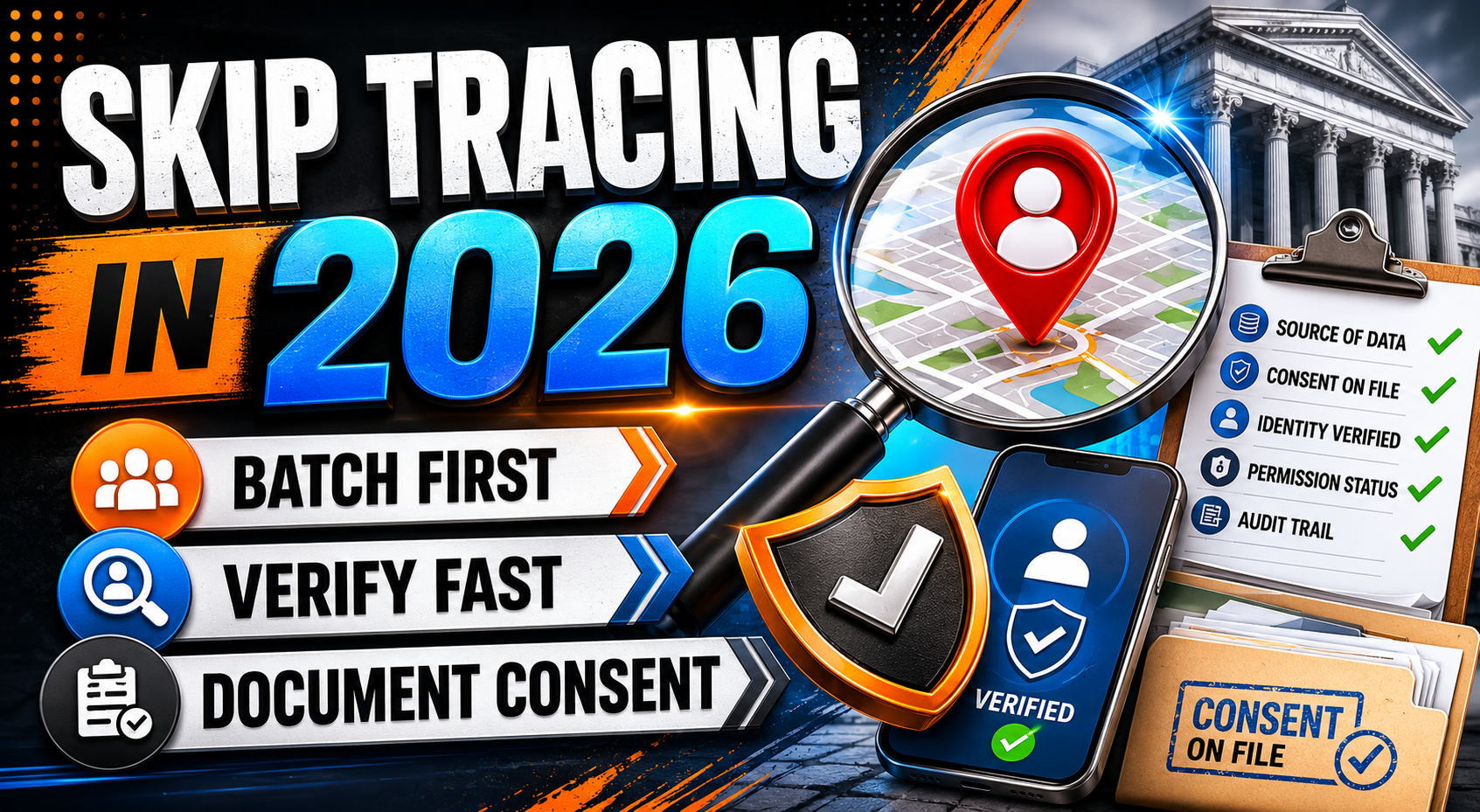
County records can still be powerful, but the modern edge is workflow: batch-first, verify fast, document consent, and avoid risky calling patterns. The tactical takeaway: treat compliance features (DNC/consent/audit) as core tooling—not optional add-ons.
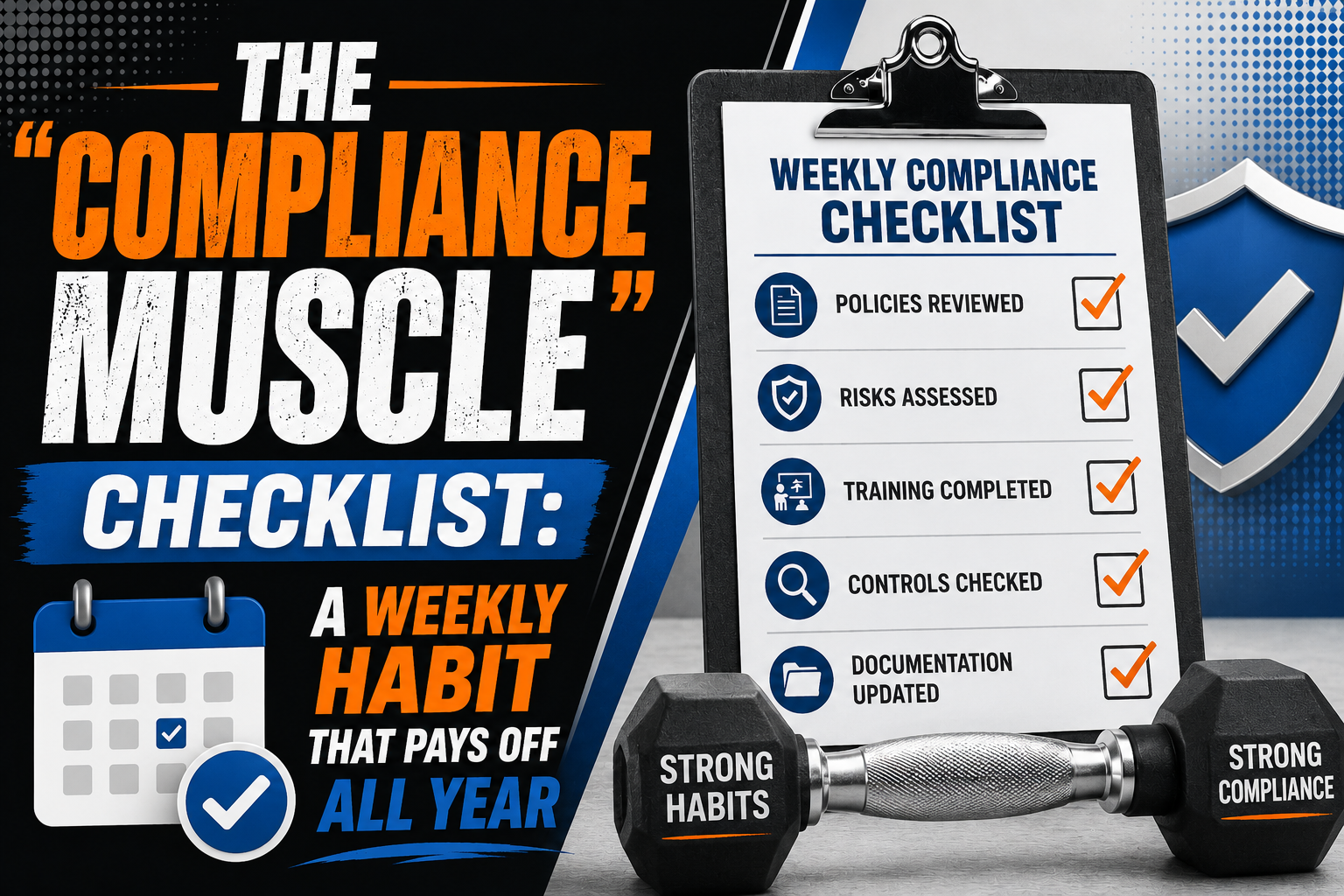
Build your weekly “compliance muscle”: a repeatable checklist for field logs, secure storage, and client-ready exports. This is also where MightyProcessServer.com and MightyWebsites.com fit: consistency and professionalism win referrals.
CFPB messaging signals shifting enforcement focus and selective non-prioritization in certain areas, which can change how agencies think about compliance budgets. On the operational side, “sewer service” remains a reputational landmine—collection stakeholders should treat service integrity as a first-line risk control
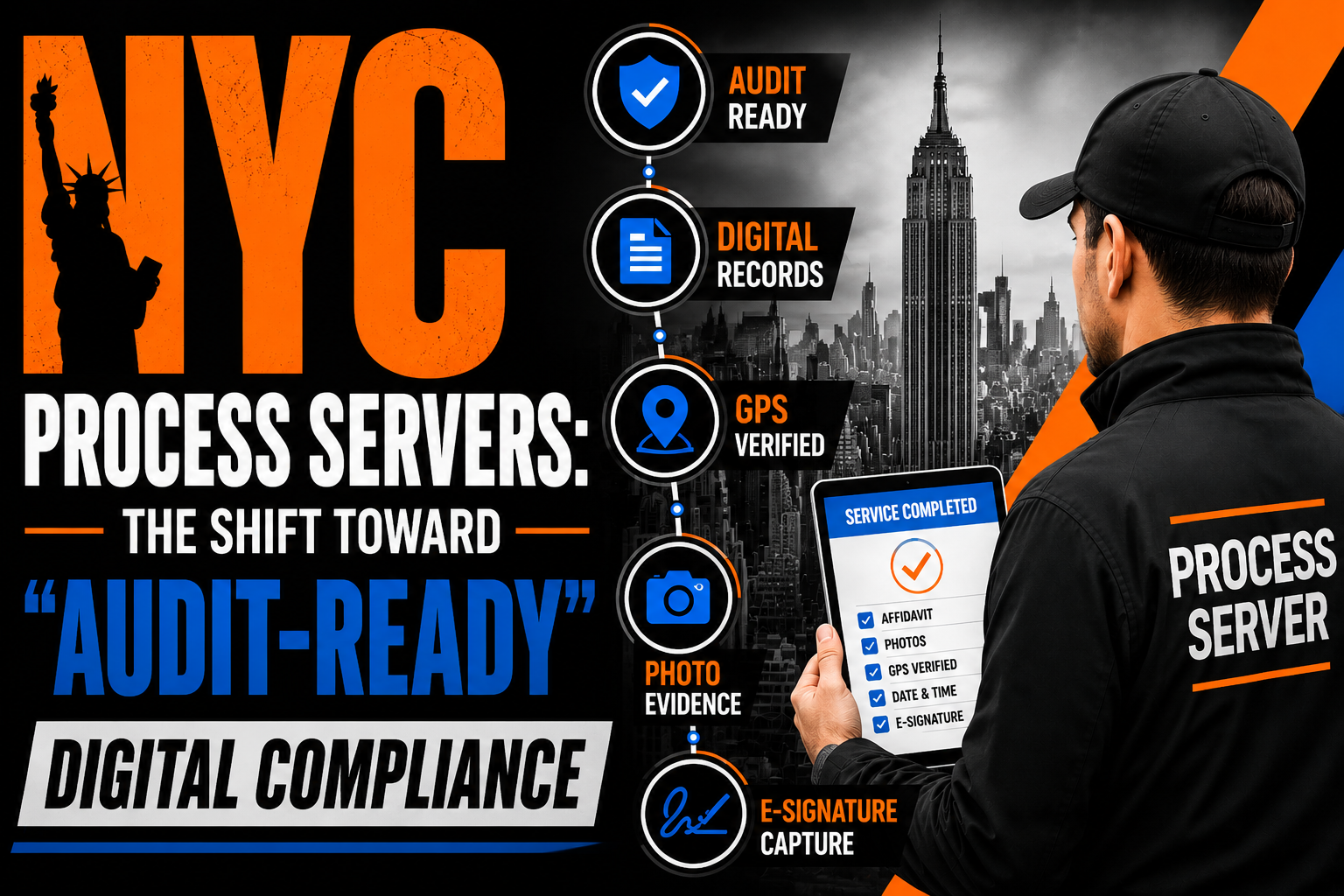
NYC process servers should prepare for a more technical compliance era: third-party GPS/data “vault” requirements, tighter time-lock standards, longer retention, and exportable logs. Even if you don’t work NYC, expect other jurisdictions to borrow the “tamper-proof record” playbook.
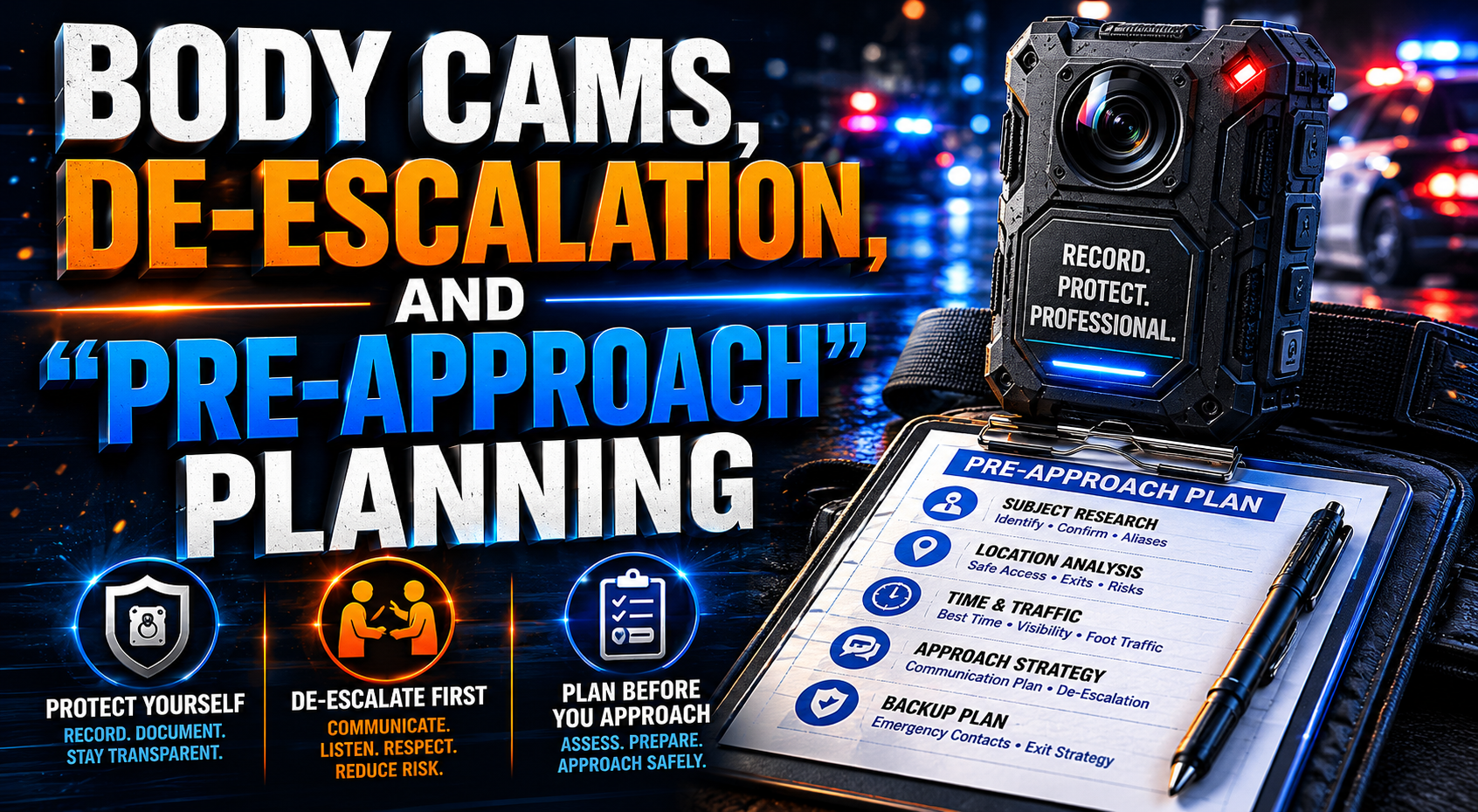
We’re revisiting the “safety stack” for process servers—body cams, de-escalation, and pre-approach planning—because the job routinely intersects with high-emotion disputes. This is also a reminder that smart documentation (video + contemporaneous notes) can protect you just as much in court as it does in the field.

Your marketing moat is local trust plus operational responsiveness. We pull a simple weekly routine for Google Business Profile health (photos, hours, services, review replies) and connect it to conversion—then plug MightyWebsites.com as the “fast lane” for service businesses.
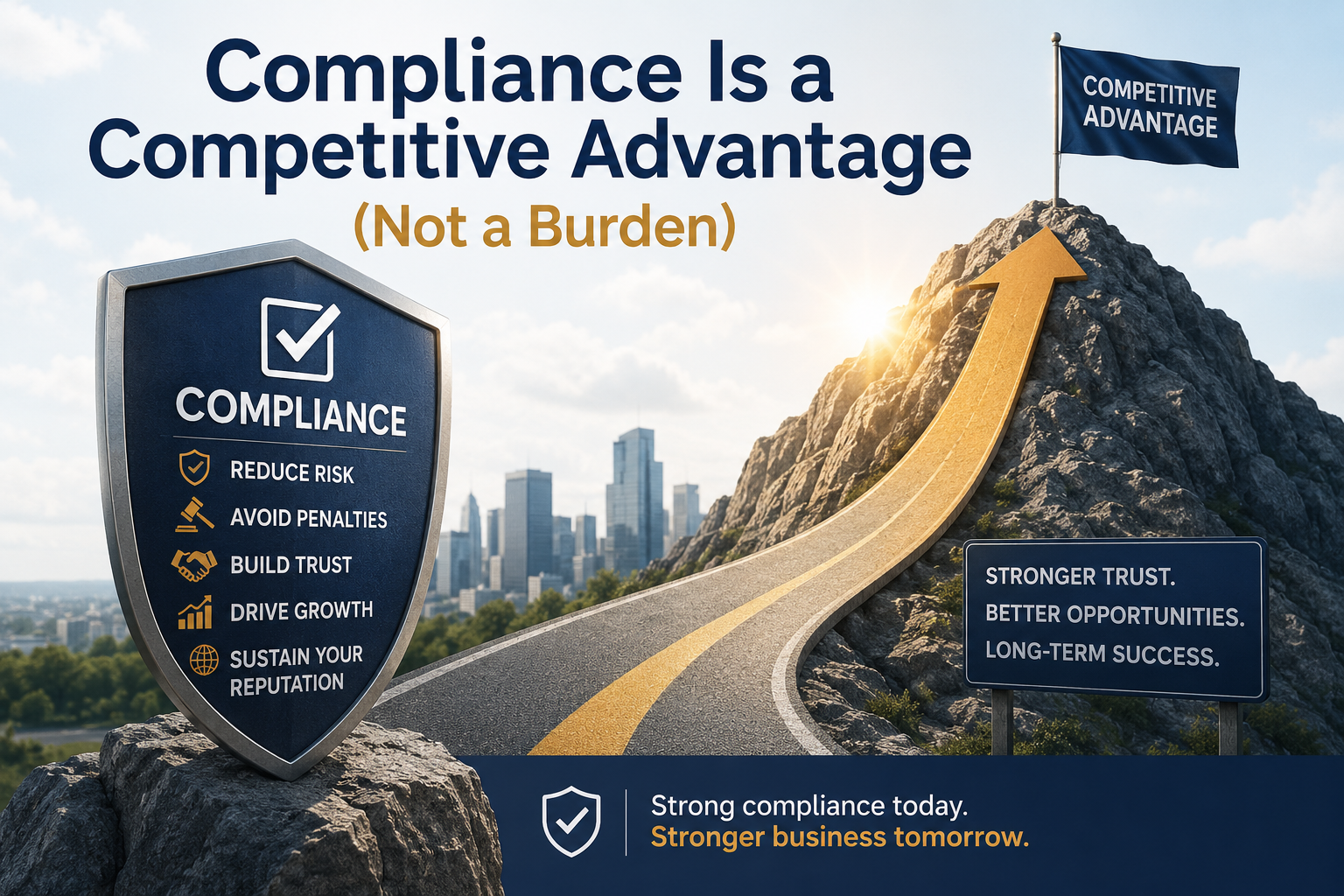
Licensing boards and compliance discussions continue to emphasize documentation, training, and boundaries—especially as surveillance tools get more capable. We summarize what to watch in board meetings and why PIs should keep internal policies updated.